Wedding Flower Guide: Bouquets & Season
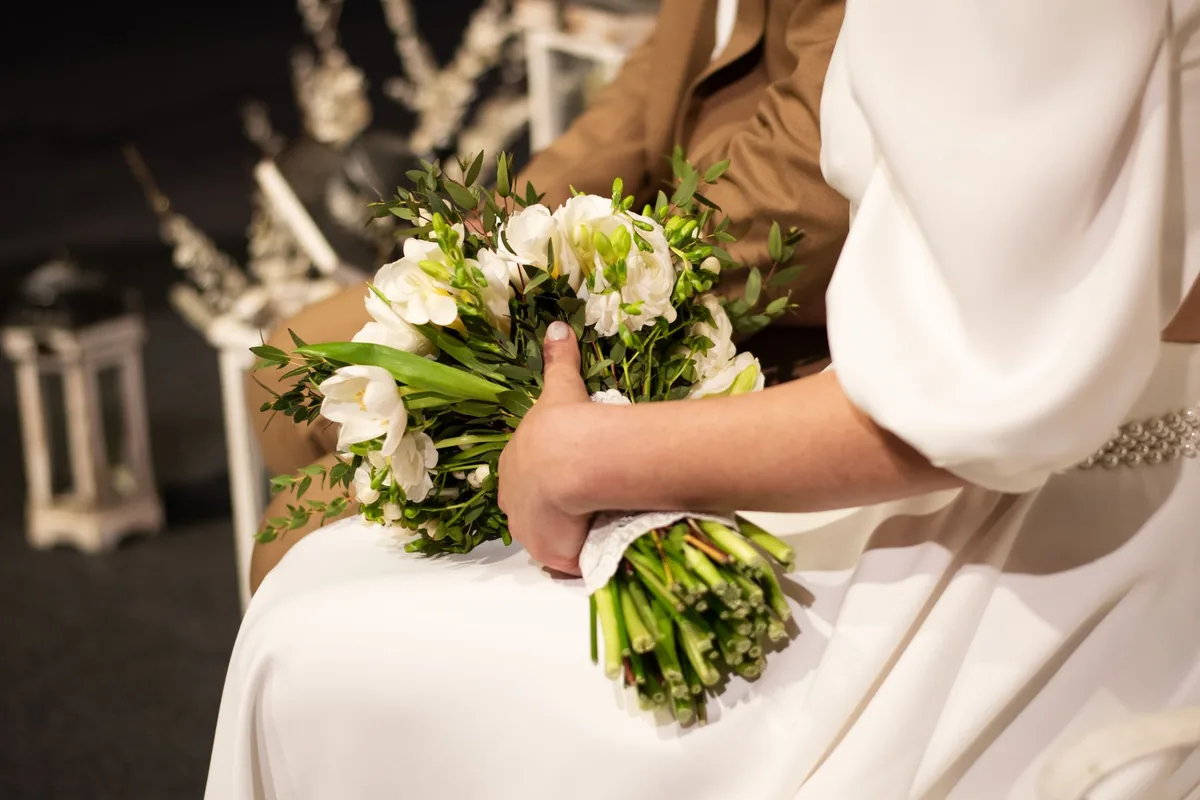
Flowers are the most flexible decoration at a wedding and the easiest line to overspend. They set the color palette, frame the couple in every photograph and soften a bare room, yet they are perishable, seasonal and priced by the stem. Couples who get the best value decide three things early: which bouquet shape suits the person carrying it, which flowers are actually in season on that date, and which spots in the venue will be photographed most.
Bouquet shapes: match the stem to the body and dress
A bouquet has a job: flatter the carrier's proportions, survive hours of handling and photography, and echo the dress and venue. Choose the shape first, then the flowers. The round hand-tied posy, a dome gathered into a circle, is the most forgiving: it suits almost every body and dress, travels well and reads clearly on camera. Keep its diameter close to shoulder width so it frames rather than swallows the carrier. A smaller, tighter cluster is the classic petite posy, ideal for a simple dress or a second look.
The cascade, or waterfall, is teardrop-shaped with flowers flowing below the hand. It adds length and drama and suits taller frames, ball gowns and grand churches, but it is heavy, snags easily and needs sturdy stems and a woven or wire base to hold shape. A composite bouquet is built from individual petals wired into one oversized bloom: striking on camera, expensive in labour, and useless as a throw bouquet. The loose, gathered just-picked bouquet of garden roses, herbs and grasses is relaxed and modern, ideal outdoors, though it looks untidy in a very formal room.
- Round posy: the safe default; flatters most frames and dresses.
- Petite posy: compact and light; suits petite frames and simple gowns.
- Cascade/waterfall: dramatic length; best for tall frames and formal venues.
- Gathered/natural: loose garden style; ideal for outdoor, relaxed weddings.
- Composite: petals wired into one bloom; striking but costly and fragile.
As a rule, the more structured the bouquet, the more it costs and the less you can improvise with seasonal stems; the looser the style, the more seasonal and local flowers it can absorb.
Choosing flowers by season
Season is the single biggest lever on price and quality. In-season stems are cheaper, fresher and stronger, and combine more easily. Imported flowers are available year-round but cost more, travel further and often arrive less well conditioned.
Spring offers tulips, ranunculus, peonies, narcissus, sweet peas and lilac; peonies are the star, but their season is short and prices spike at the peak. Summer is the richest season, with roses, dahlias, zinnias, lisianthus, lavender and herbs, where heat is the enemy and cool water matters. Autumn brings dahlias, chrysanthemums, hydrangeas, berries, seed heads and grasses in rust and amber. Winter leans on amaryllis, anemones, hellebores, evergreens and branches, where structure and candles do much of the work.
- Spring: tulips, ranunculus, peonies, sweet peas, lilac.
- Summer: roses, dahlias, zinnias, lisianthus, lavender.
- Autumn: dahlias, chrysanthemums, berries, grasses, seed heads.
- Winter: amaryllis, anemones, hellebores, evergreens, branches.
Color, palette and the language of flowers
Build the palette from the couple's colors and the venue, not a single favorite bloom. Two or three colors plus plenty of green are easier to sustain across a day than six. A white or neutral room takes strong color well, while a busy or dark venue is calmed by whites, creams and greens. Pastels can look washed out under strong midday sun and richer under warm evening light.
The language of flowers adds a quiet layer: roses for love, peonies for a happy marriage, lilies for purity, tulips for perfect love, lavender for devotion, rosemary for remembrance and myrtle, used in royal bouquets, for fidelity. Treat symbolism as a detail rather than a rule; scent and durability matter more on the day.
Budget, reuse and the florist brief
Expect flowers to take roughly eight to twelve per cent of a typical wedding budget, though the range is wide. Spend where the camera goes: the bouquet, personal flowers, the ceremony arch and the top table. Large arrangements that guests pass without noticing are the first thing to cut.
The most effective saving is reuse. Move the ceremony arch, aisle and altar arrangements to the reception during the photo hour, so the same stems decorate two rooms for one cost. Design them in containers that can be lifted rather than rebuilt, and confirm who actually moves them.
Brief the florist in writing: delivery time, venue access, the palette with reference photos, the bouquet shape and size, a list of arrangements with quantities and maximum dimensions, the reuse plan, the budget ceiling with a contingency, who removes everything, and what happens to the flowers afterwards. Agree substitutions in the contract, since a good florist replaces a stem that has failed in the market rather than canceling the order. Ask for a rough stem list too: it shows what you are paying for and makes it easy to swap an expensive bloom for an in-season one without changing the look.
Personal flowers, ceremony and tables
Personal flowers travel with the couple all day, so make them robust. A boutonniere should be small, light and anchored so it does not droop; a wrist corsage stays put when a pin would damage fine fabric. For children, flower crowns and baskets photograph well but need a secure fit and a rehearsal.
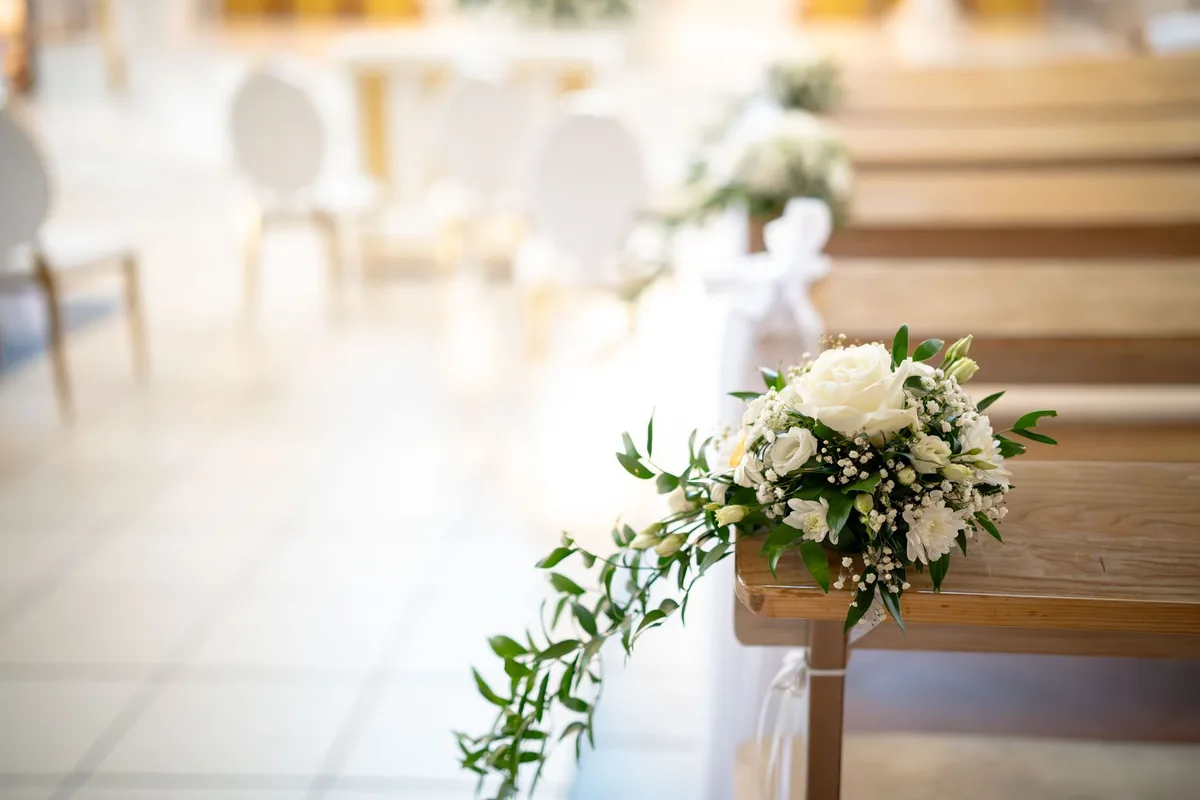
At the ceremony, focus on the entrance and the backdrop: an arch, a pair of tall arrangements flanking the altar, or a simple cluster of candles and greenery. If the venue is already beautiful, less is more.
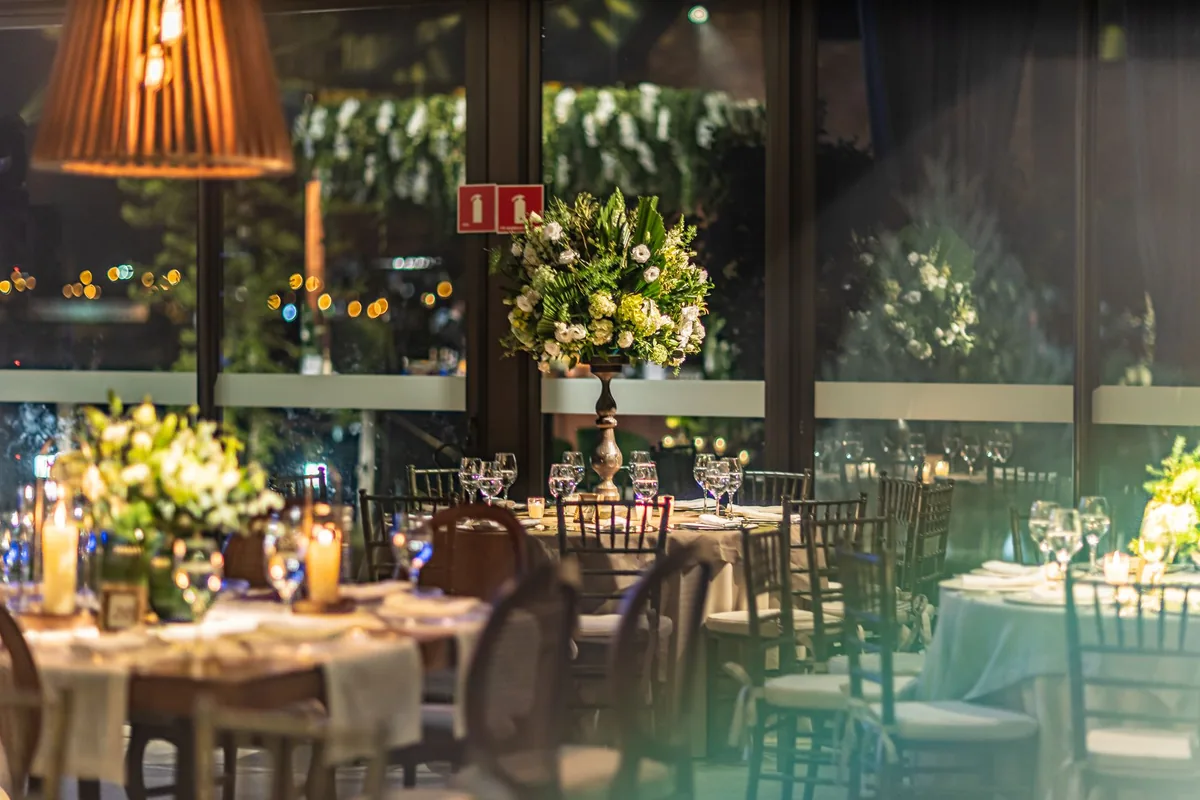
On tables, repeat a simple centerpiece rather than inventing one per table, and keep the height below eye level or clearly above it so guests can talk. Low bowls of seasonal flowers and greenery, interspersed with candles, work in almost any room; tall branch arrangements suit high ceilings. Combine flowers with greenery, fruit, candles and good linen, because the supporting elements do much of the visual work at a fraction of the cost.
Preserving the bouquet and staying sustainable
To keep the bouquet, choose a method before it wilts. Air-drying suits roses, lavender, hydrangeas, grasses and seed heads: hang the bunch upside down, out of sunlight, for two to three weeks. Silica gel or pressing suits delicate blooms like pansies and daisies. Resin casting preserves a few stems in a block or pendant, a popular modern keepsake that needs a dry or treated sample and a skilled maker. Ask the florist which stems dry well and start the same day.
Floristry has a sustainability problem, and small choices help: favor seasonal and local flowers, avoid single-use plastic, request plastic-free pillars instead of floral foam, choose potted plants and reusable containers, compost green waste, and donate the flowers the next morning. Seasonal and local is usually the cheapest route as well as the greener one.
Common mistakes: a quick checklist
- Choosing flowers before deciding the bouquet shape and size.
- Ordering out-of-season blooms and paying a premium for a weaker flower.
- Picking too many colors, which is hard to repeat all day.
- Spending on arrangements no one will photograph.
- Forgetting to plan the reuse of ceremony flowers.
- Briefing the florist in person without a written list.
- Ignoring delivery, setup, strike and removal costs.
- Using floral foam without asking for a plastic-free alternative.
- Heavy or oversized bouquets the carrier cannot hold for an hour.
- Leaving bouquet preservation until after it has wilted.
FAQ
How much of a wedding budget should flowers take?
A typical wedding spends roughly eight to twelve per cent of its budget on flowers, though the range is wide. Put the money where the camera goes: the bouquet, personal flowers, the ceremony arch and the top table. Large arrangements that guests walk past without noticing are the first thing to cut.
Which bouquet shape should I choose?
The round hand-tied posy is the most forgiving shape: a dome gathered into a circle, kept close to shoulder width so it frames rather than swallows the carrier. A mini round suits petite frames and simple dresses. The cascade adds length and drama for taller frames, ball gowns and grand churches, but it is heavy, snags easily and needs sturdy stems plus a woven or wire base. A composite bouquet is expensive in labour and cannot be tossed. Loose garden-style bunches suit outdoor settings.
How do I keep flower costs down without looking cheap?
Buy in season, because in-season stems are cheaper, fresher and stronger; imported flowers are available year-round but cost more and often arrive less well conditioned. Build the palette from two or three colours plus plenty of green rather than six. Reuse the ceremony arch and altar arrangements at the reception. Cut the large arrangements guests pass without noticing, and agree substitutions in the contract.
Can ceremony flowers be reused at the reception?
Yes, and reuse is the most effective saving: move the arch, aisle and altar arrangements to the reception during the photo hour, so the same stems decorate two rooms for one cost. Design them in containers that can be lifted rather than rebuilt, and confirm in the brief who actually moves them.
How do we preserve the bouquet after the wedding?
Choose the method before the bouquet wilts. Air-drying suits roses, lavender, hydrangeas, grasses and seed heads: hang the bunch upside down, out of sunlight, for two to three weeks. Silica gel or pressing suits delicate blooms. Resin casting preserves a few stems in a block or pendant and needs a dry or treated sample plus a skilled maker. Ask the florist which stems dry well and start on the day.
What should the florist brief include?
Put it in writing: delivery time, venue access, the palette with reference photos, the bouquet shape and size, a list of arrangements with quantities and maximum dimensions, the reuse plan, the budget ceiling with a contingency, who removes everything, and what happens to the flowers afterwards. Agree substitutions in the contract, since a good florist replaces a stem that has failed in time.
Sources
- American Institute of Floral Designers Professional floral-design guidance on conditioning and handling; consulted 2026-11.
- Royal Horticultural Society — cut flowers Cut-flower conditioning and vase-life guidance; consulted 2026-11.